Light as absence and presence – A reading of Lundgaard & Tranberg Architects’ phenomenological approach to architecture and daylight.
In an article for Daylight & Architecture Magazine (D/A Magazine) by the VELUX Group, Author Kristoffer Lindhardt Weiss examines how our architecture is shaped by a profound attentiveness to place and light — understood as central forces in the creation of spatial meaning and human experience.
The article draws on the Daylight Talk Sense of Place – Perception of Light, presented by architects Trine Hedeager and Malene Hjortsø Kyndesen of Lundgaard & Tranberg Architects at CAFx – Copenhagen Architecture Biennale 2025.
Reading place through light
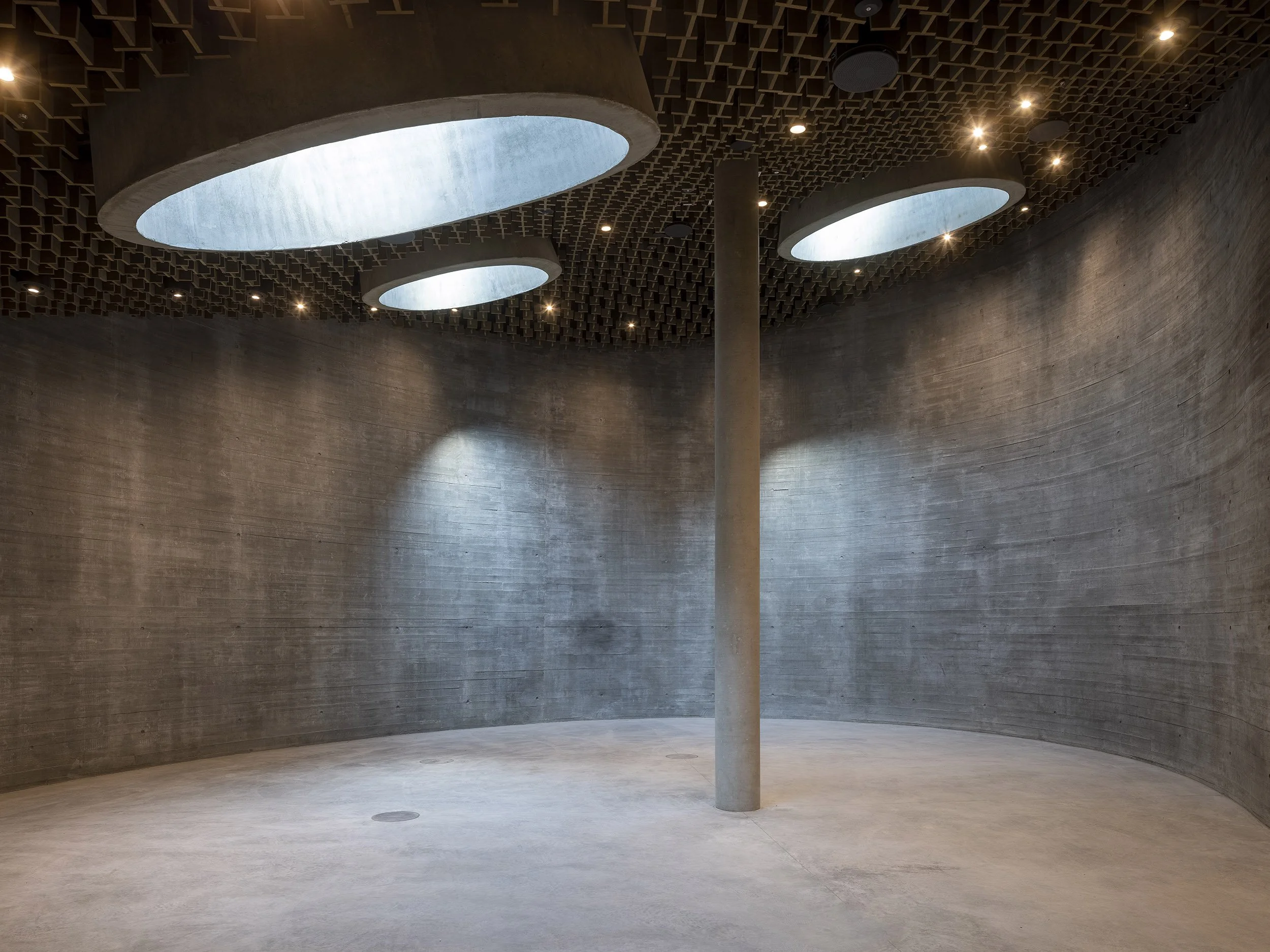
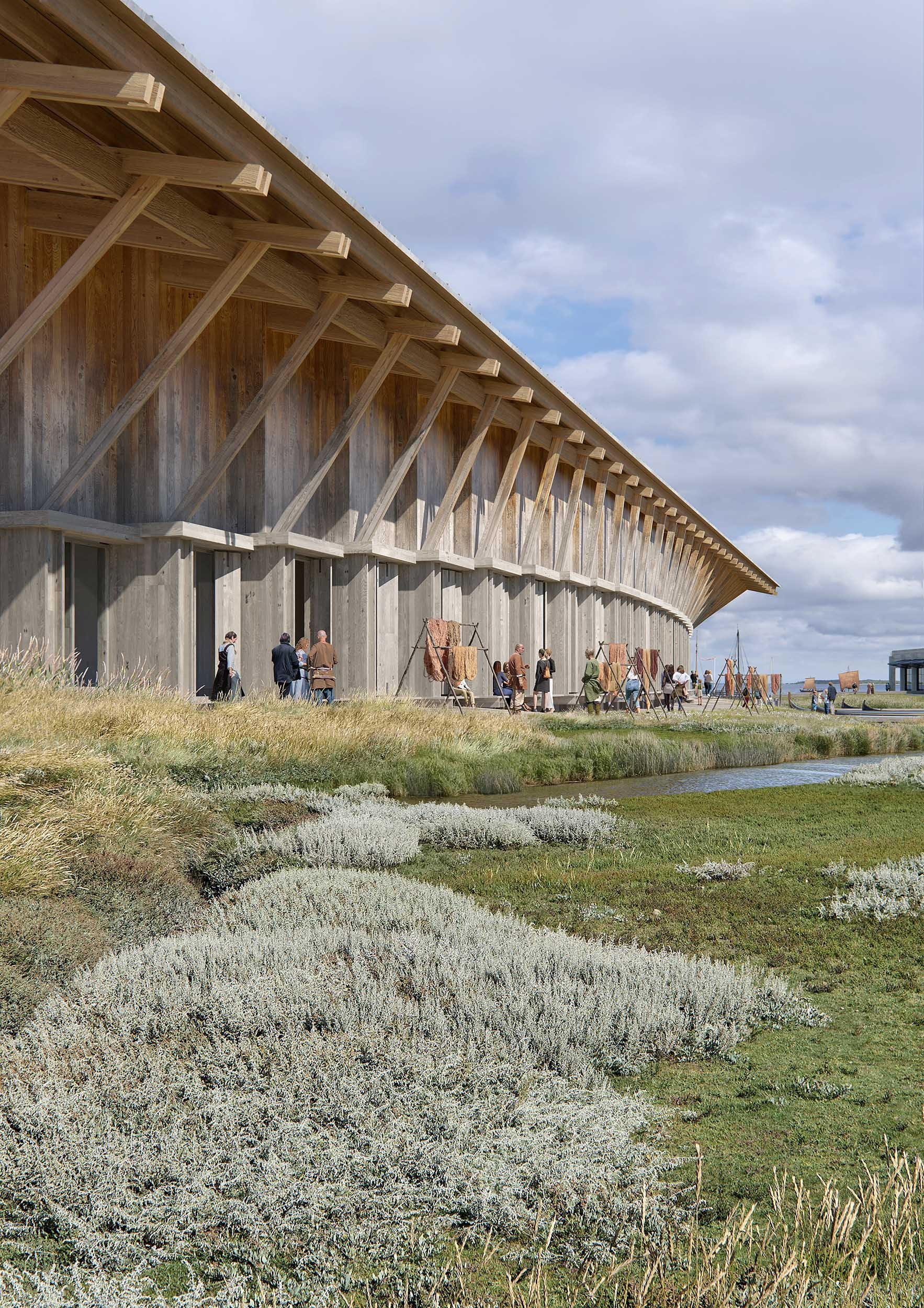
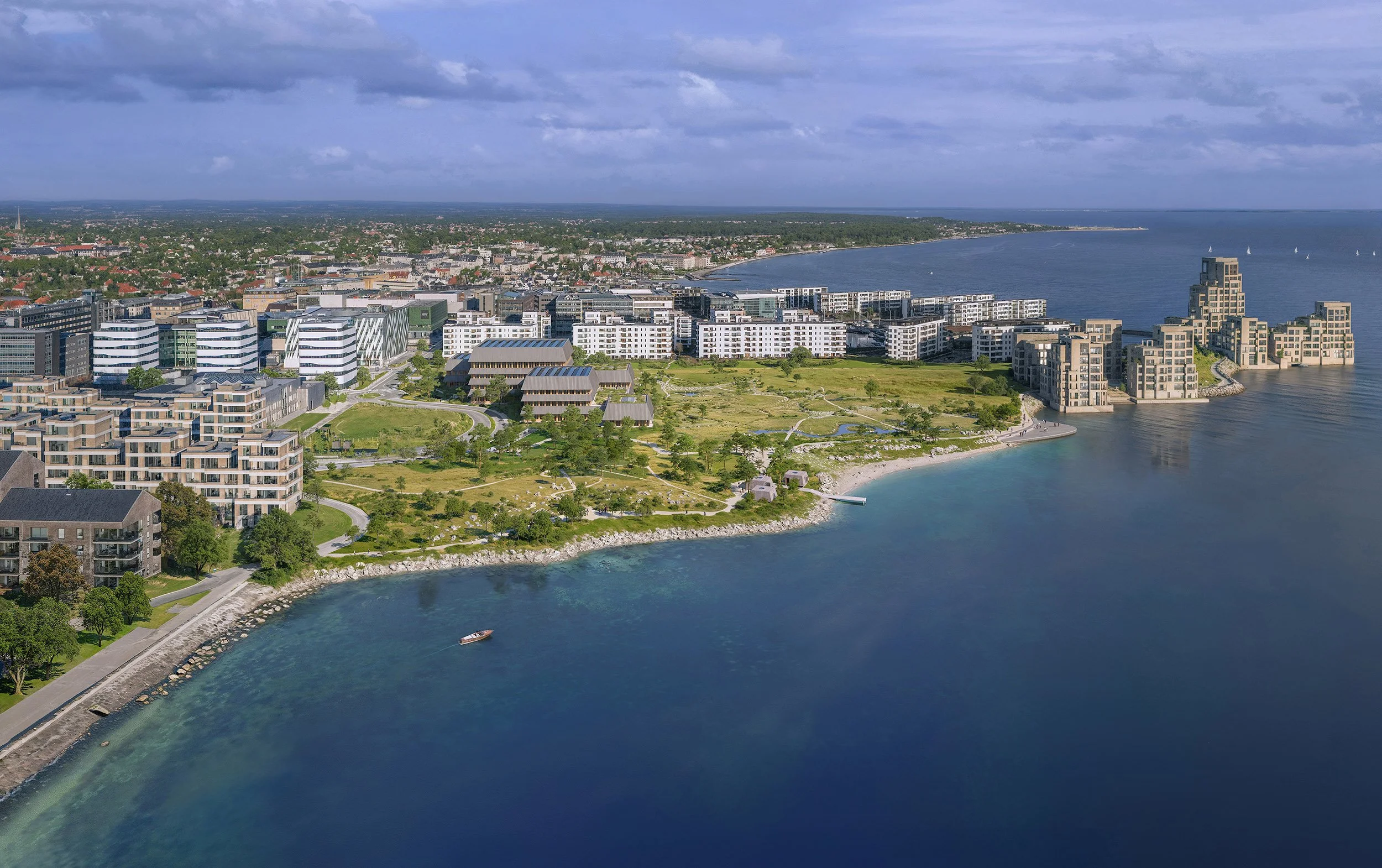
Focusing on the projects the Natural History Museum of Denmark, Kannikegården in Ribe, Novo Nordisk Foundation Headquarters, and The Viking Ship Museum Weiss captures the essence of Lundgaard & Tranberg Architects’ methodological approach: a careful reading of the encounter between a site’s specific conditions and the presence of daylight.
As Weiss writes:
“The studio’s approach to daylight is not merely functional but phenomenological. They seek to understand how light creates atmosphere, guides human experience, and in the end tells stories about place and purpose.”
This perspective frames light as a primary medium through which architecture is perceived, understood, and inhabited.

Architecture that steps aside
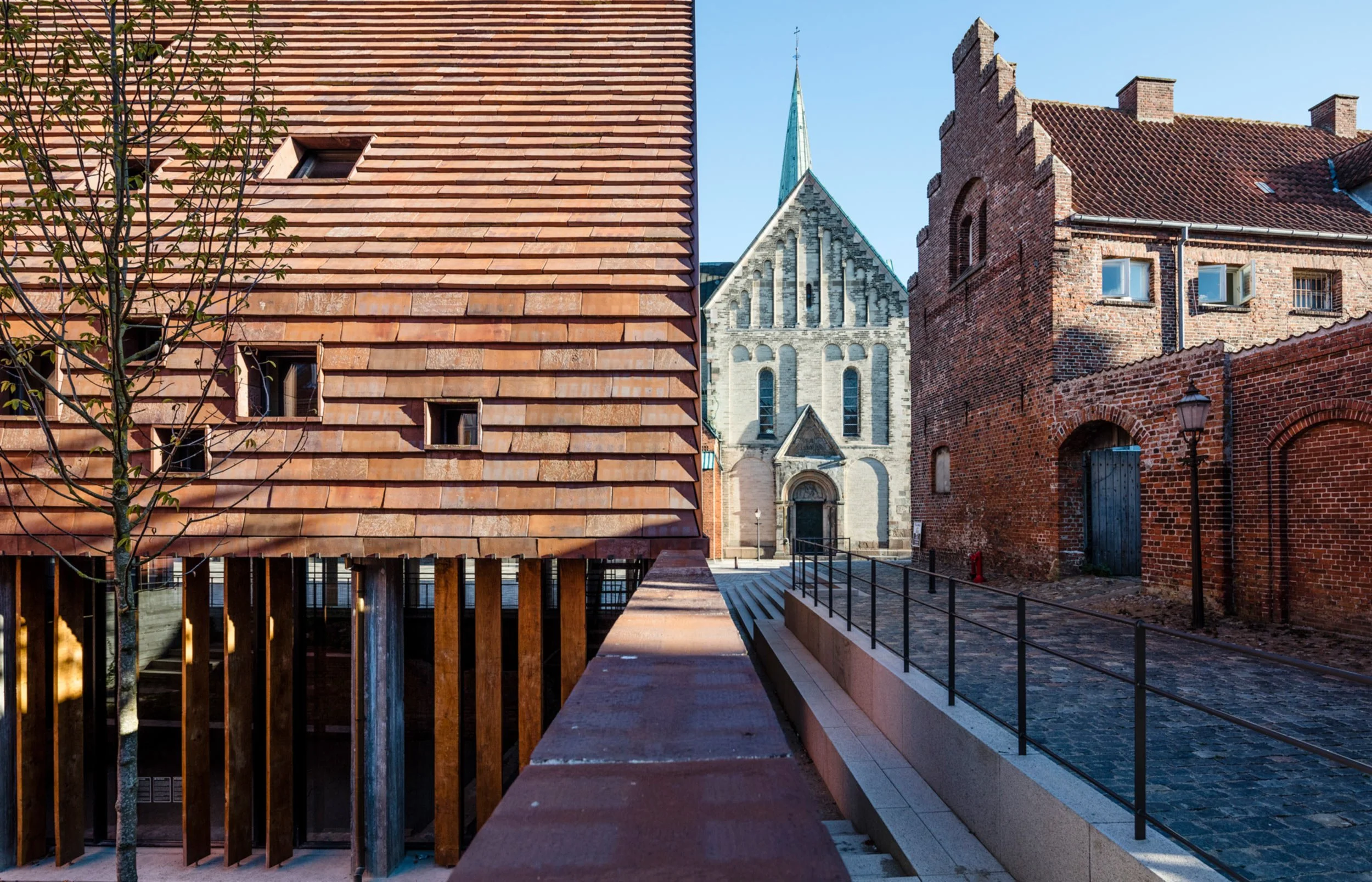
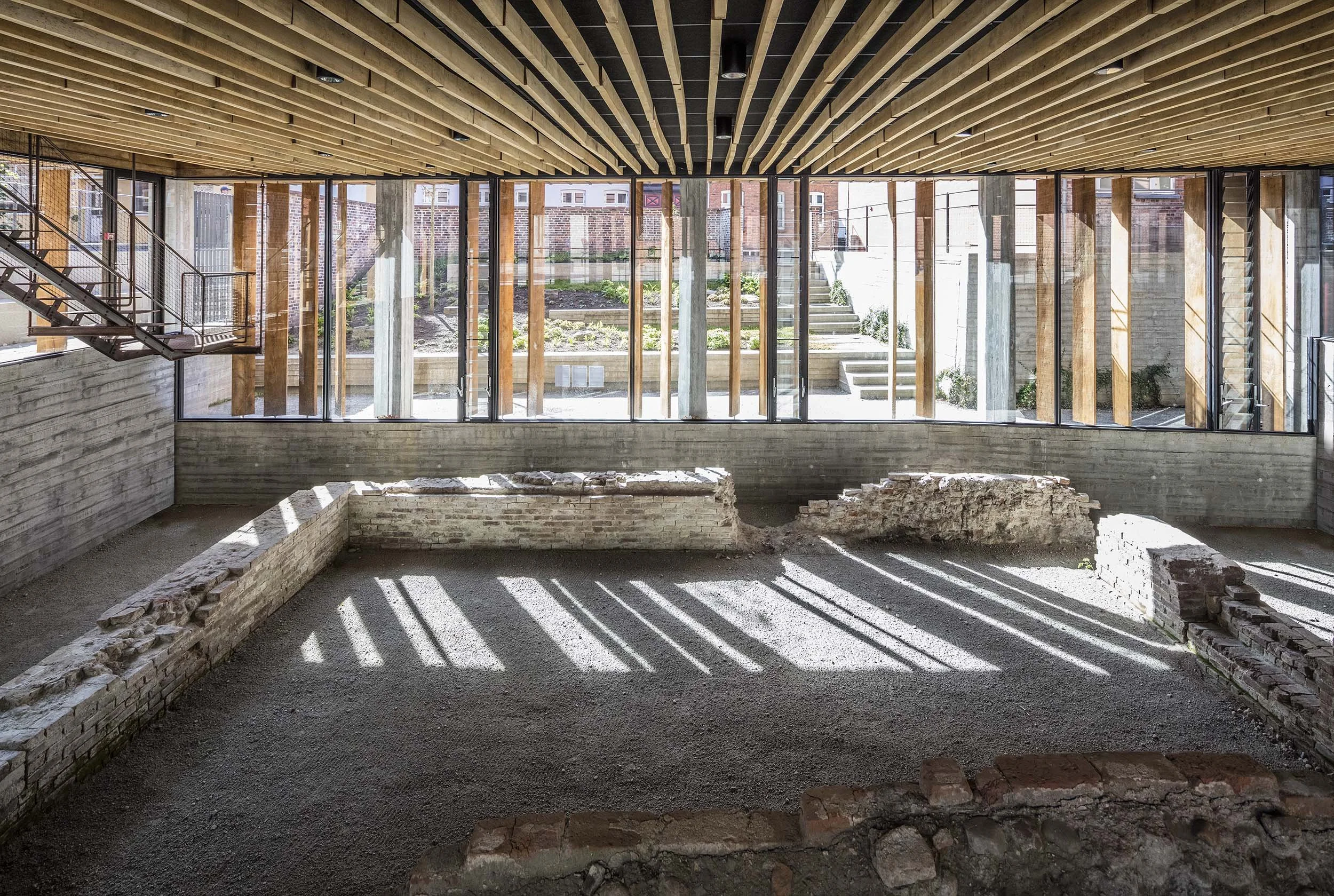
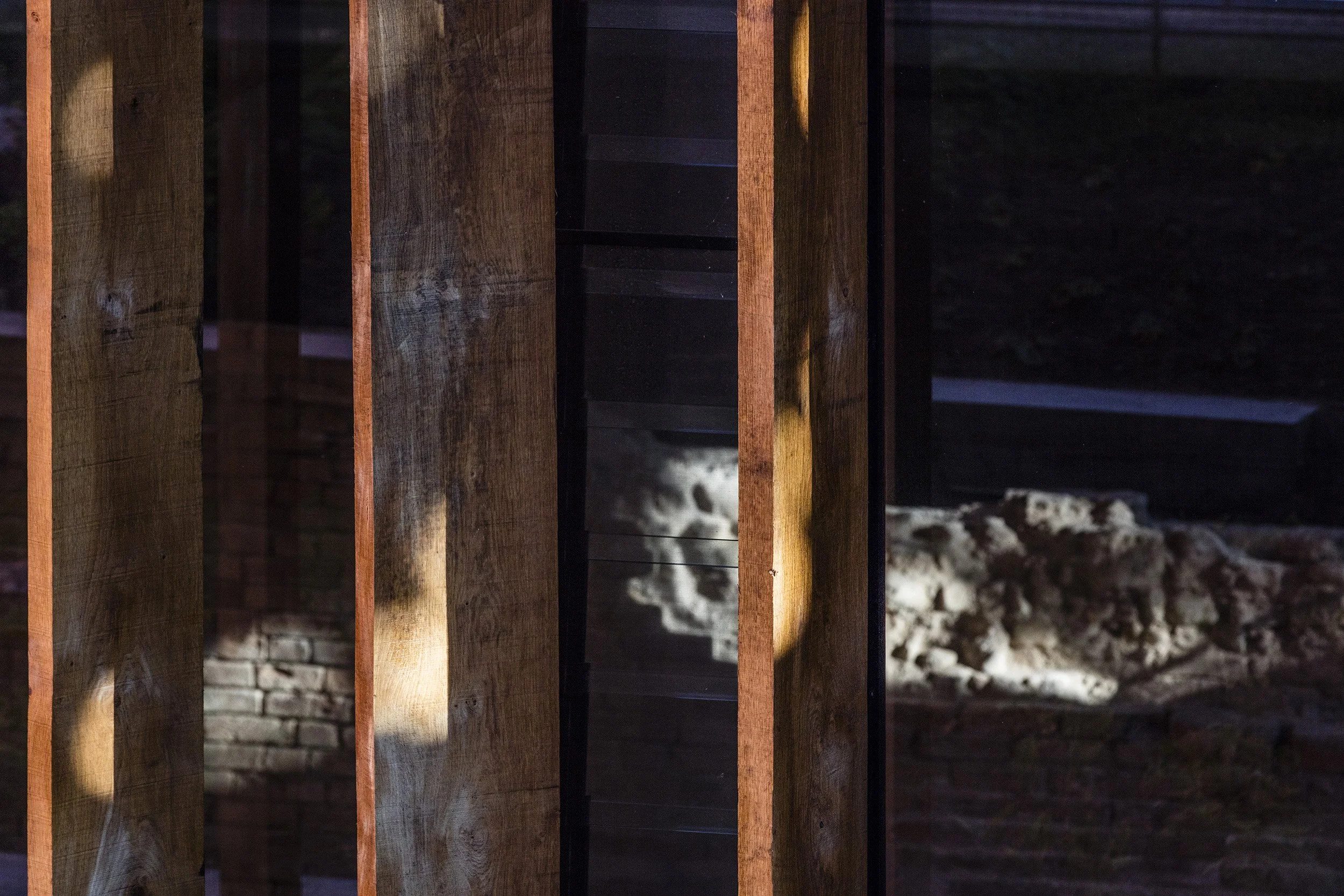
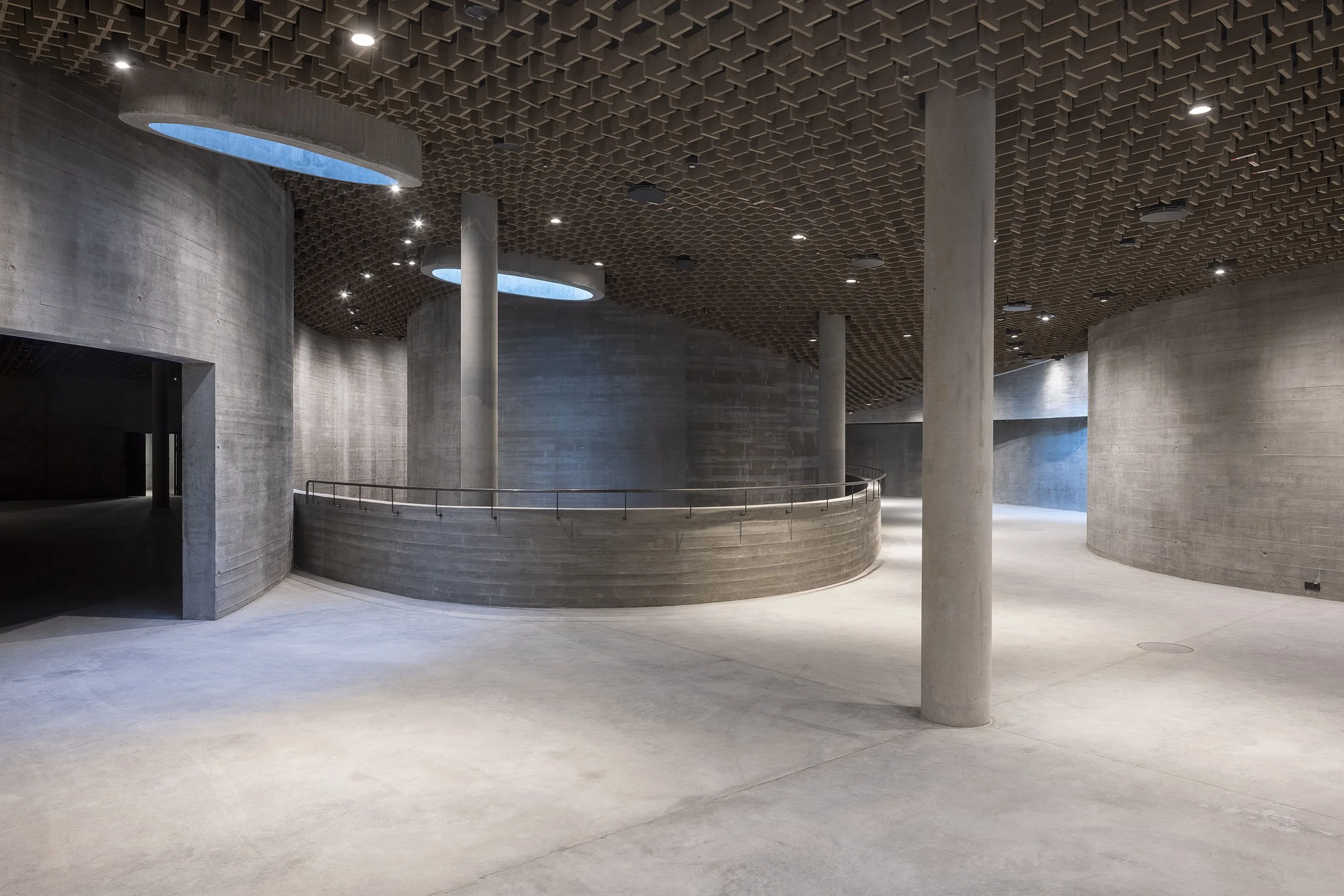
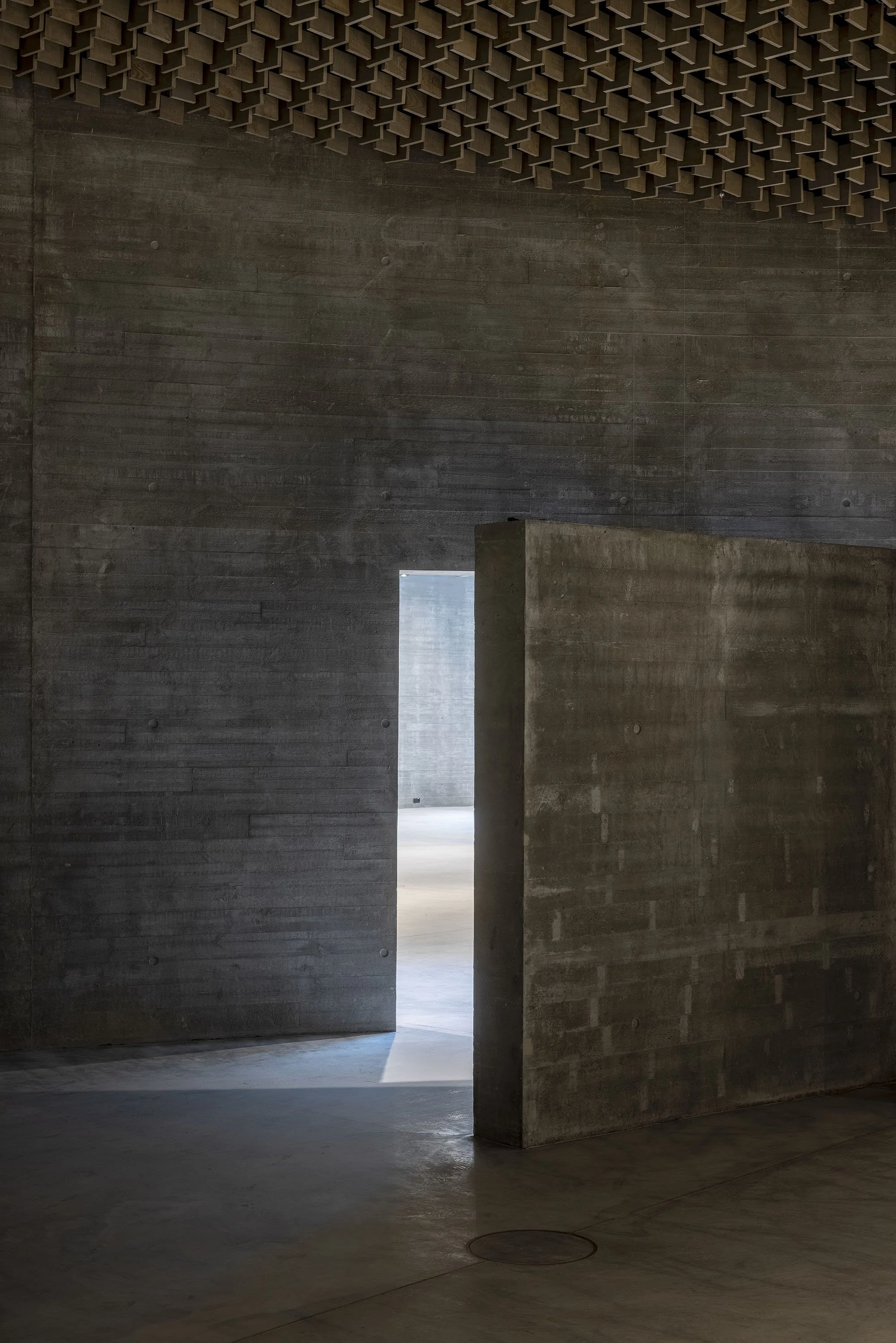
Across the projects discussed, a consistent architectural attitude emerges — one defined by restraint, attentiveness, and humility. At the new Viking Ship Museum, daylight is carefully moderated to protect fragile historic ships while still conveying their maritime legacy. At Kannikegården Parish Hall in Ribe, light reveals archaeological remains in Denmark’s oldest town, allowing past and present to coexist without hierarchy. At the Natural History Museum of Denmark, daylight guides visitors through geological and biological collections, shaping orientation and experience.
In each case, architecture succeeds by aligning itself with its context, allowing light, place, and material reality to articulate meaning on their own terms.




Humility as architectural practice
Weiss’ reading also positions our work as a response to broader environmental conditions. In a time marked by climate crisis, the article argues for an architecture grounded in humility — one that listens closely to its site, respects nature’s hierarchy, and understands light as a narrative force.
Through this lens, architecture gains the potential to “give back more than it takes,” reconnecting users to place, time, and the larger natural systems of which they are an inseparable part:
“We will make space for nature and be more humble”, as Malene Hjortsø Kyndesen stated in the presentation.
For Weiss’ full exploration of this architectural philosophy, see the original article Light as Absence and Presence – the work of Lundgaard & Tranberg Architects.