NYHED September 22, 2026
Verner Panton’s Work of Light at The Circus Building
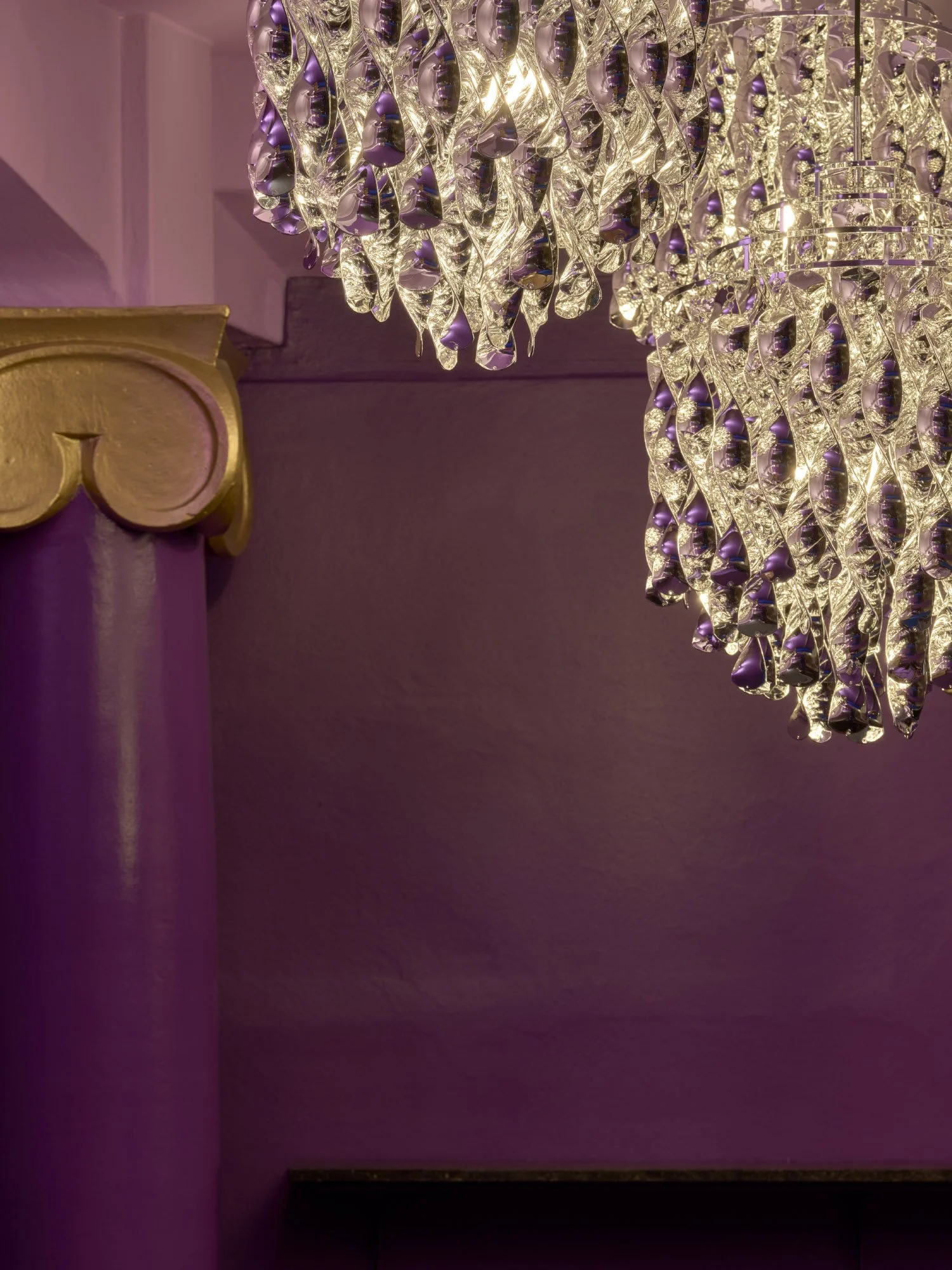
Verner Panton’s lighting at the Circus Building is more than illumination. It is a listed work of light art – a rarity in itself – in which light, colour and architecture were conceived as a unified spatial experience. As a key part of the restoration, the 1984 light installation has therefore been recreated through an intensive process of calibrating light, colour and intensity. On 24 September, Signe Baadsgaard of Lundgaard & Tranberg Architects and Iben Winther Orton of Lightscapes will discuss the architectural and lighting choices behind the restoration, the interplay between light and colour, and the balance between restoration, technology and scenographic effect.
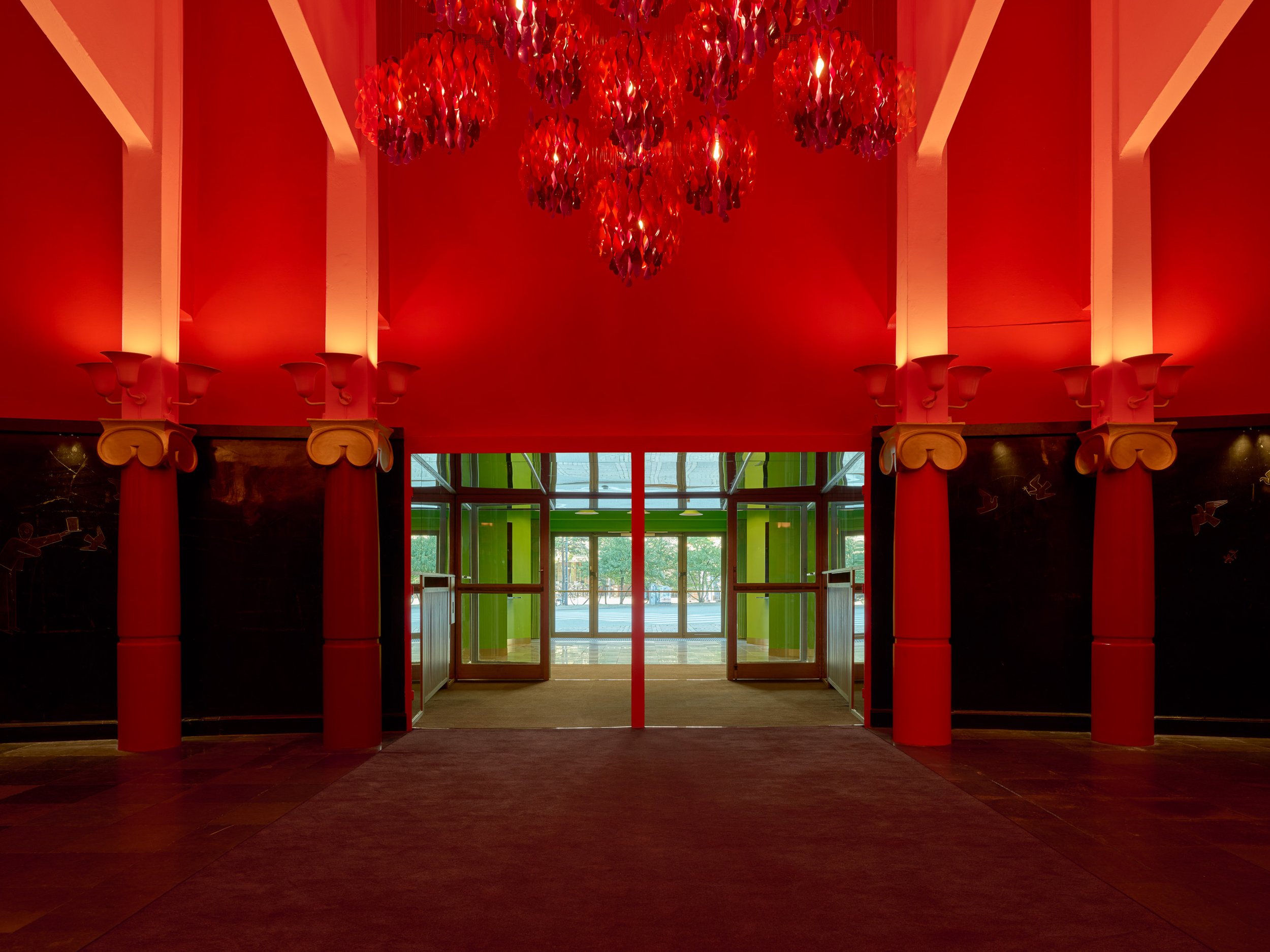
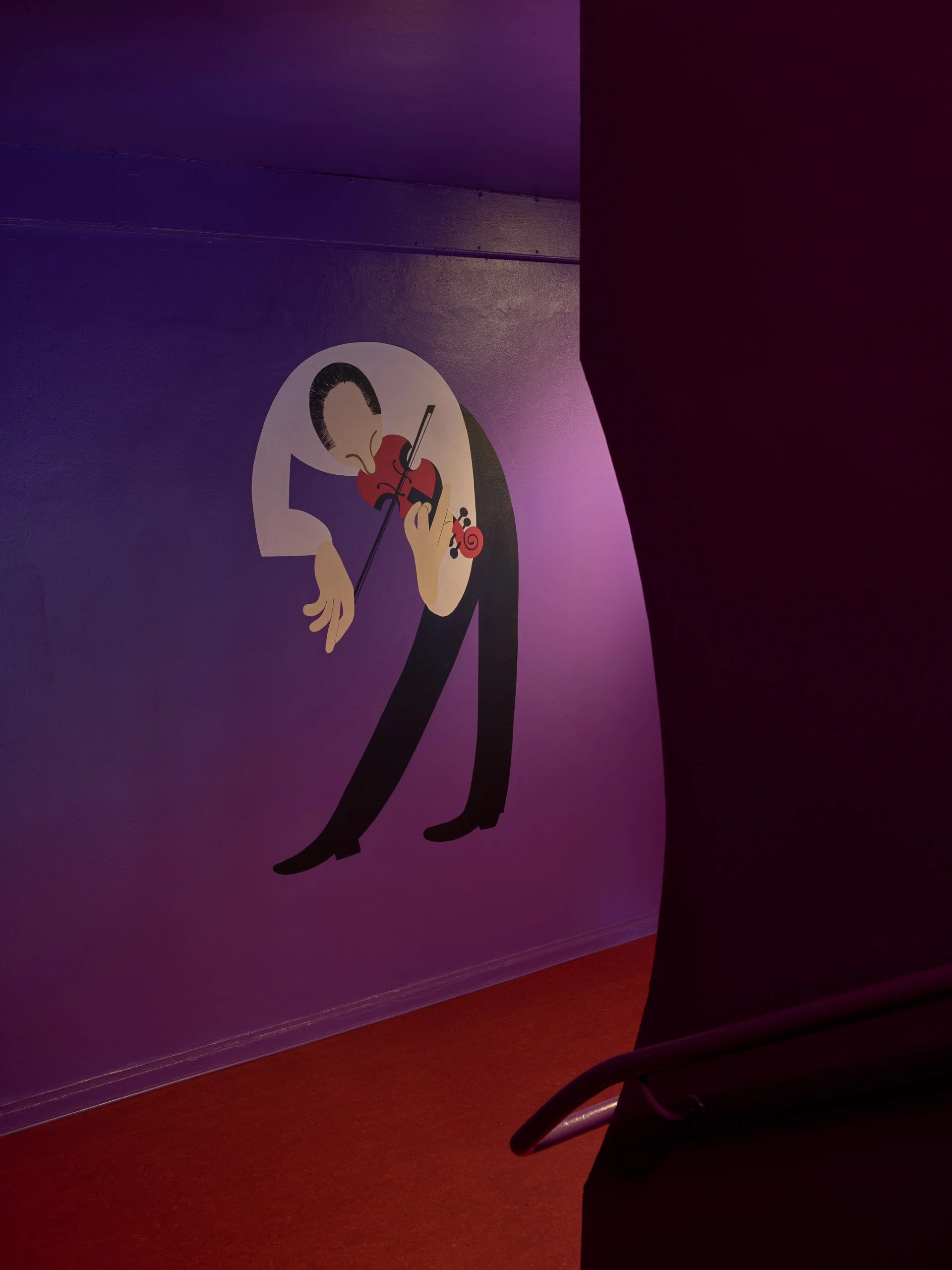
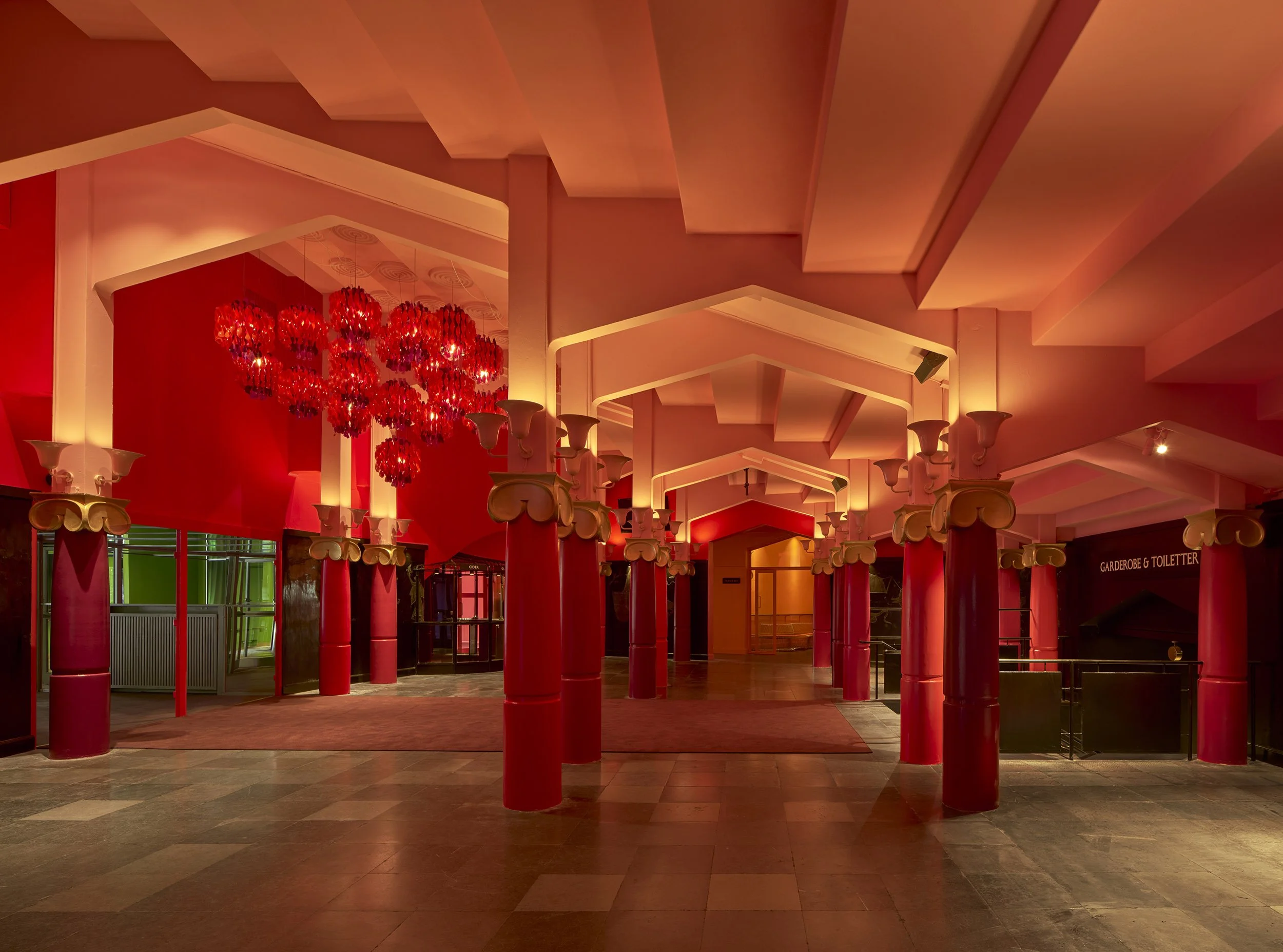
Today, visitors to the Circus Building can once again experience Verner Panton’s distinctive world of colour, first created in 1984. Here, light brings the colours to life, shaping how the spaces are perceived and experienced. The enchanting, immersive experience that forms an important part of the building’s protected heritage value has been brought back to life.
This interplay has been at the heart of the restoration. Panton’s colour and lighting scheme has been recreated on the basis of the original fixtures, their positions and the original lighting principles. At the same time, the lighting has been upgraded with high-quality LED light sources and modern controls.
The Interplay of light and colour
The approach can be summed up by a principle Panton consciously explored throughout his work: light is colour. Light is always experienced in relation to its surroundings. It falls on surfaces, is reflected, and is shaped by the colour and sheen of materials as well as by its surroundings.
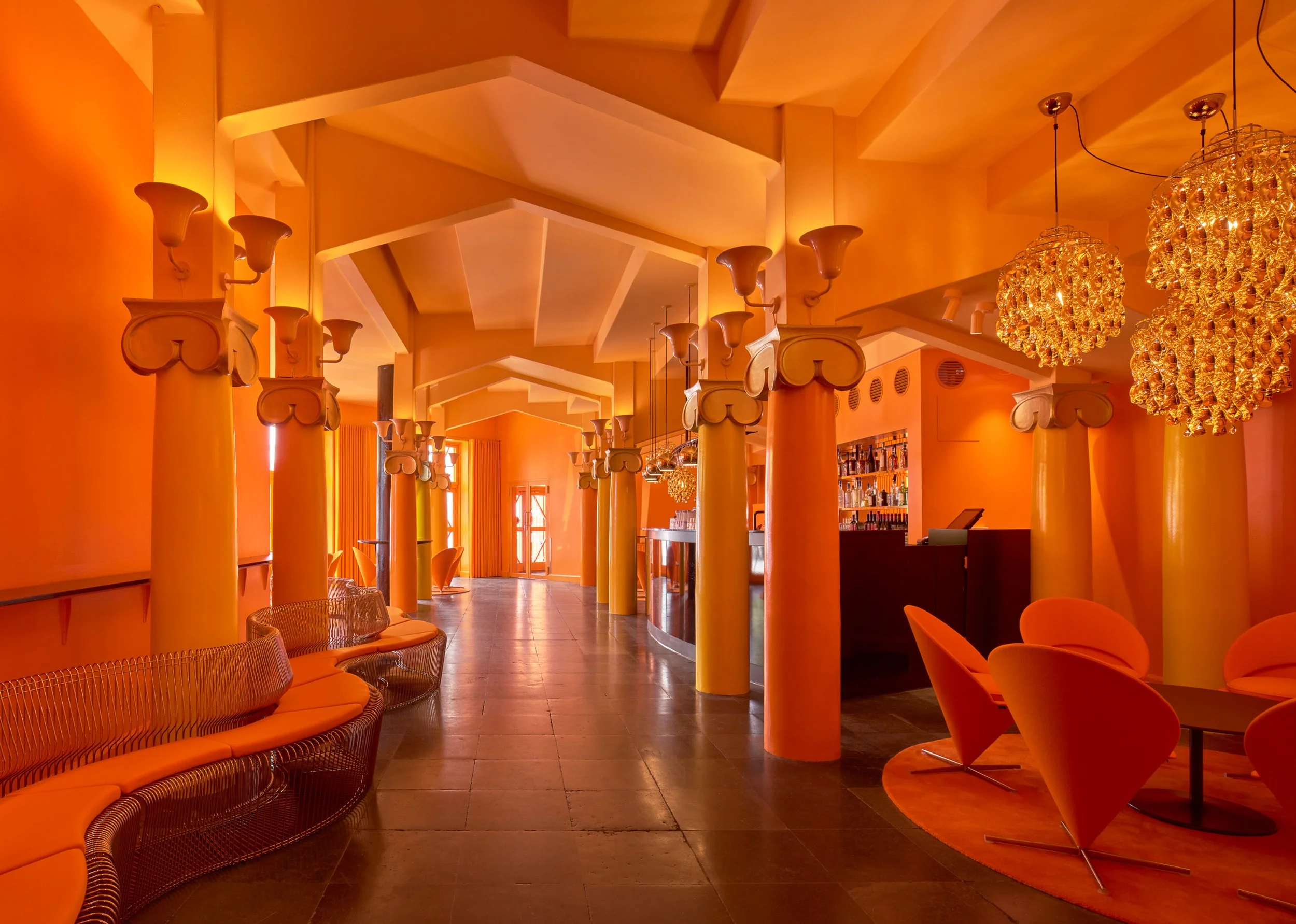
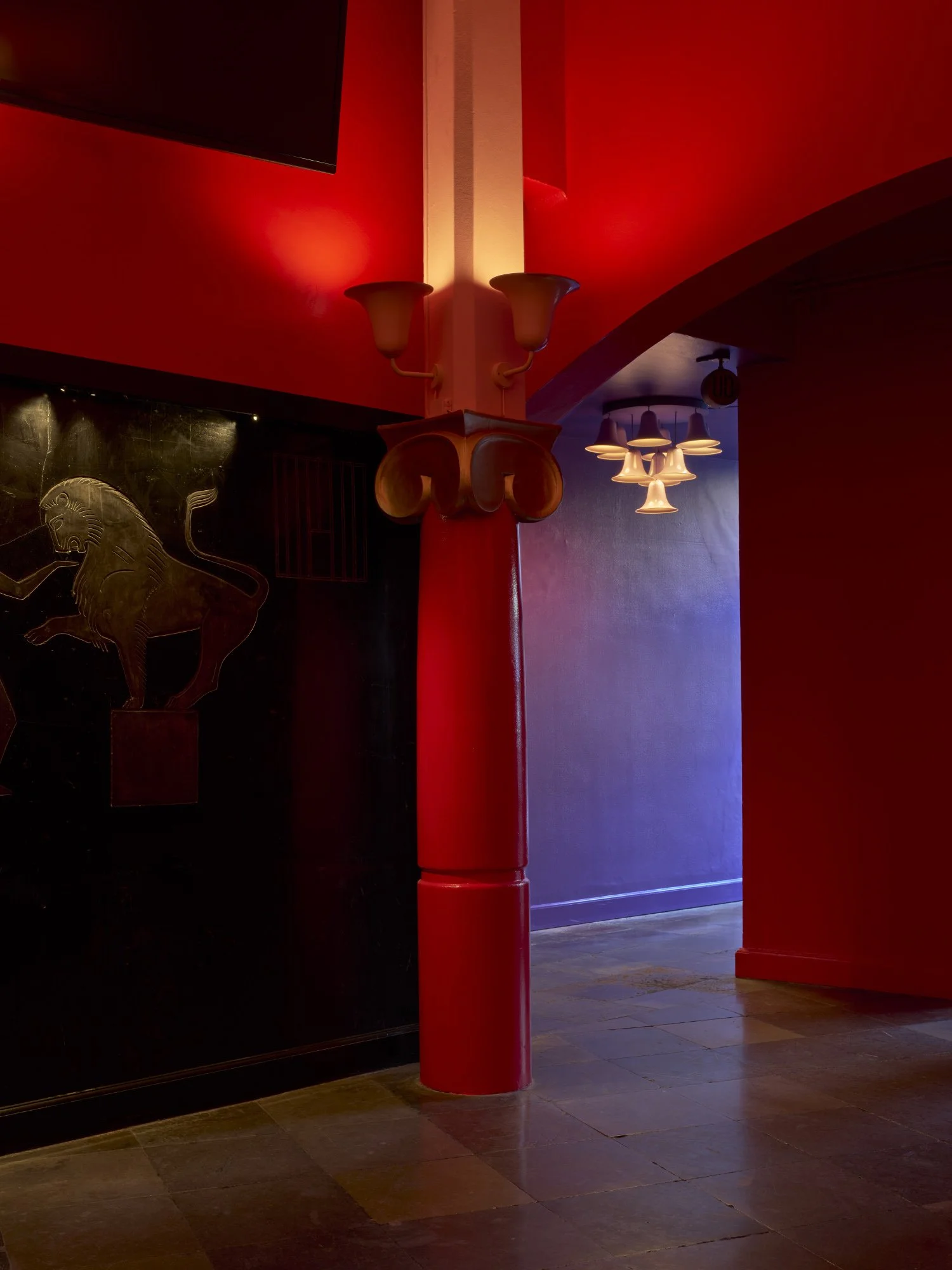
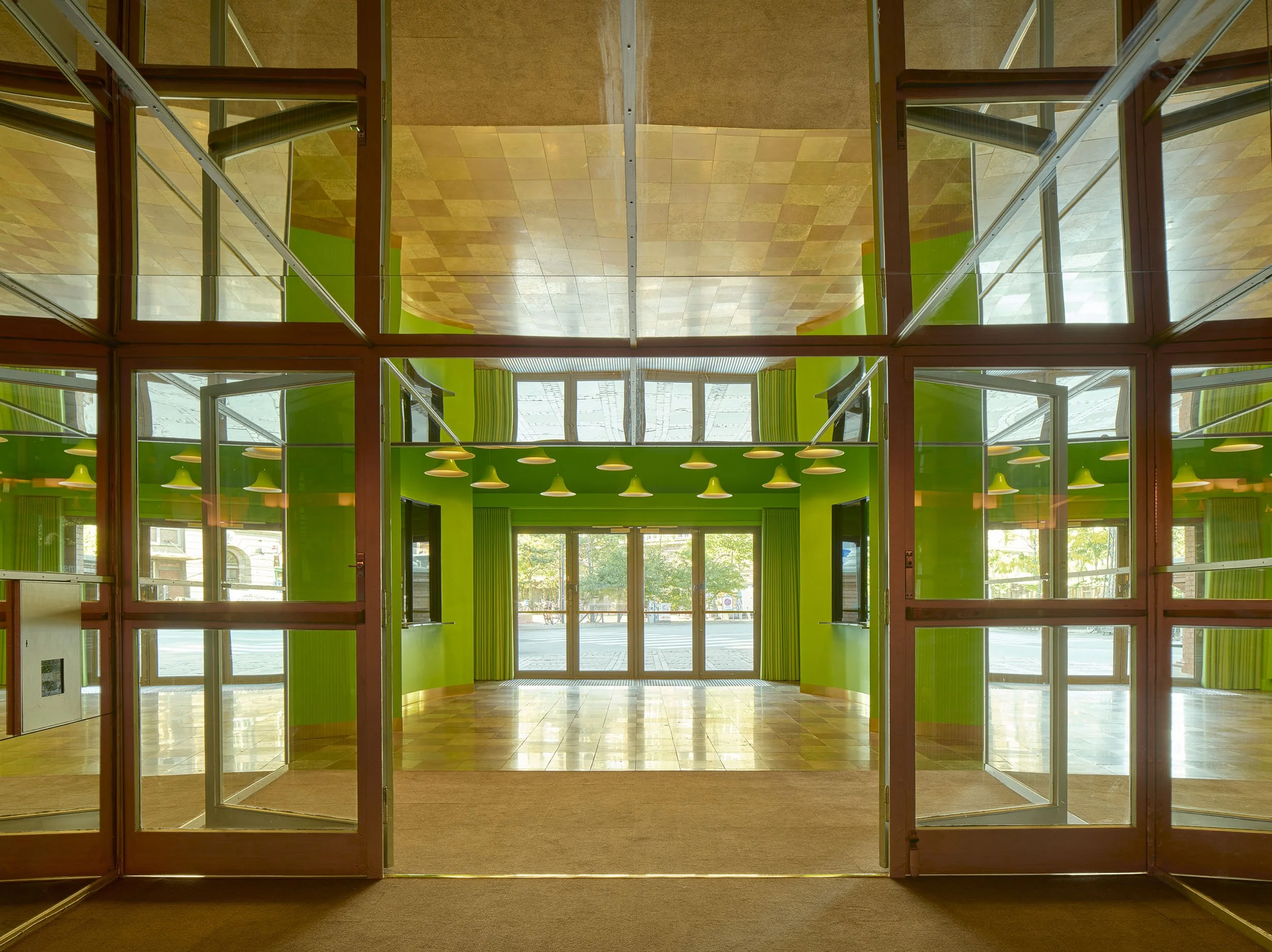
At the Circus Building, Panton combined light, bold colours and organic forms with the building’s architecture and function. The result is a work of light art in its own right: a unified composition that transforms the experience of space rather than simply illuminating it.
Recreating a spatial experience
This made the restoration an unusual lighting challenge: understanding how the original lighting interacted with the colours and finding a way to bring that effect back to life – perhaps even as a physical, bodily resonance.
“We have treated the light installation as an integral part of the architecture and the building’s heritage value from the very beginning. Everything is closely interconnected. Our work has been carried out in close dialogue and collaboration with Verner Panton’s heirs, the building’s owners and tenants, as well as specialists in colour and lighting. The aim has been to recreate Panton’s original intention while ensuring that the Circus Building can function as a modern event venue. I think that together we have succeeded in bringing the many architectural, artistic, historical and functional considerations into balance,” says Signe Baadsgaard, architect and partner at Lundgaard & Tranberg Architects.
The restoration has therefore combined technical expertise, historical research and a strong focus on the sensory experience. Light levels and intensities have been carefully calibrated to come as close as possible to the original experience. At the same time, the original colours, paint media and levels of sheen were identified through paint archaeology carried out by Anne Simonsen of Københavns Konservator and recreated in close collaboration with Carin Panton of Verner Panton Design AG and colour expert Katrin Trautwein of kt.COLOR.
“Verner Panton understood that light is colour. That light is always reflected and shaped by the colours and spaces around it. Throughout the Circus Building, the light is very soft and almost magical. He was bold in his use of colour and trusted his own intuition,” says Iben Winther Orton, founder of Lightscapes and lighting consultant on the restoration.
Pendant lights return to their original positions
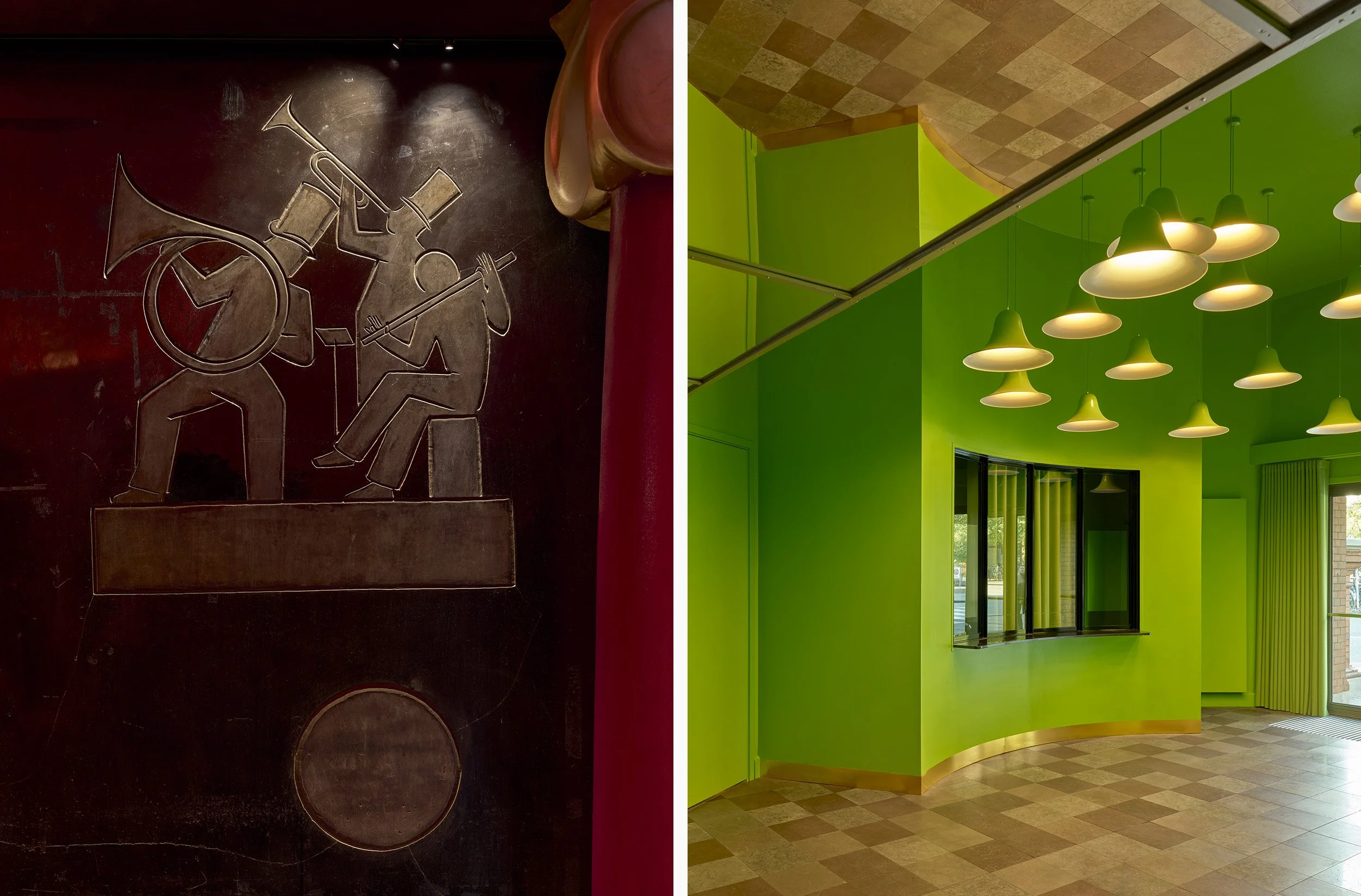
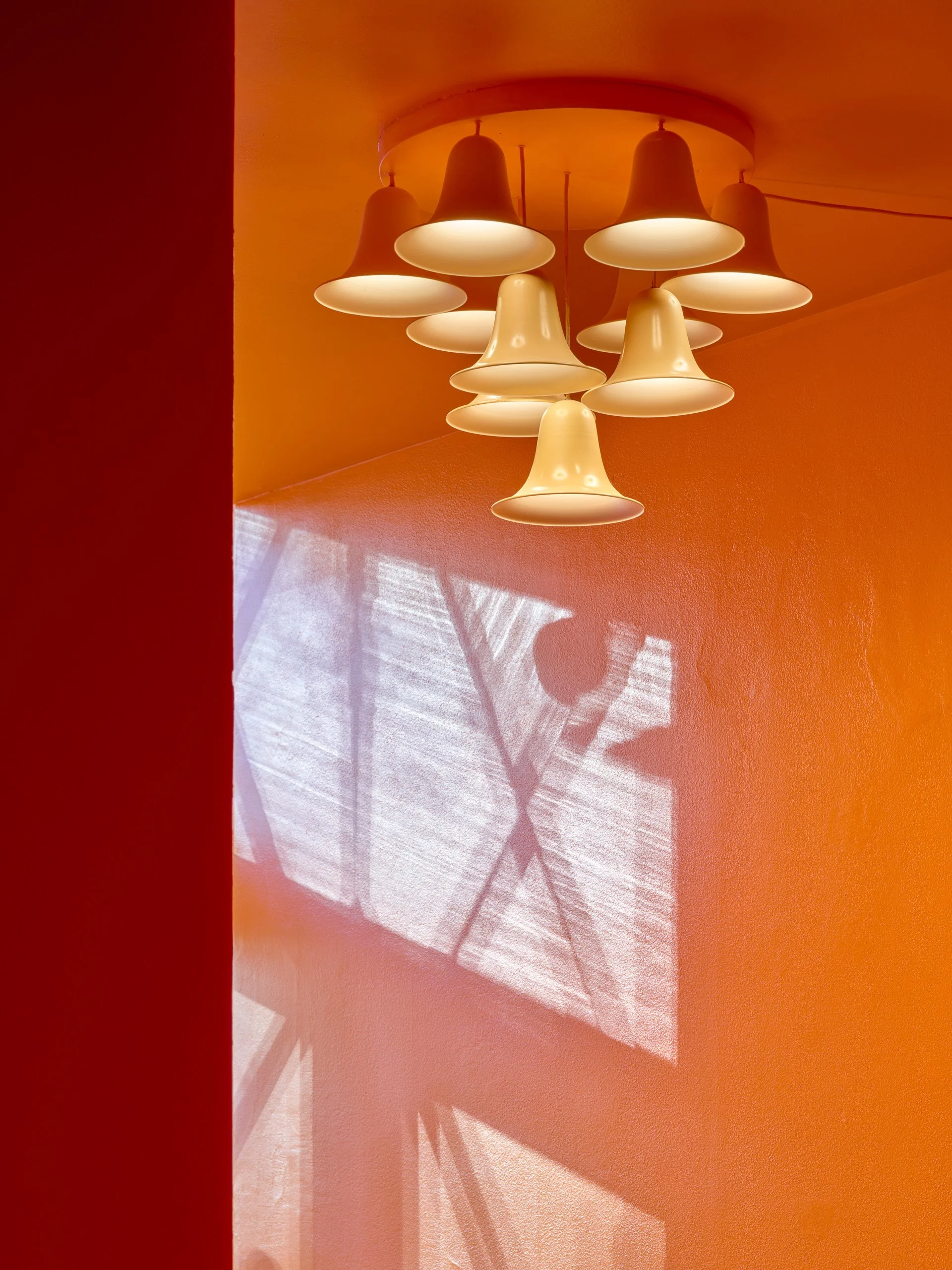
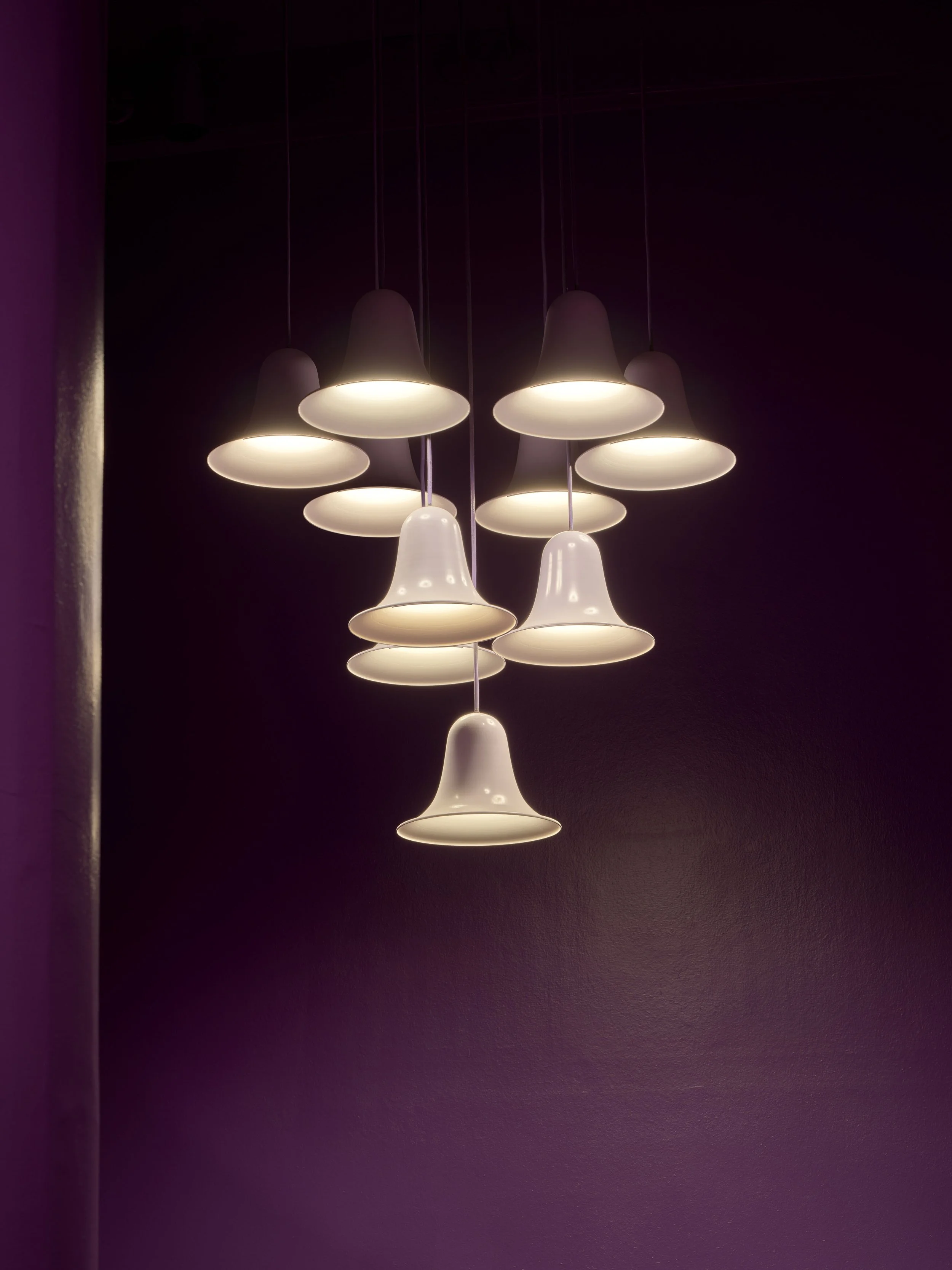
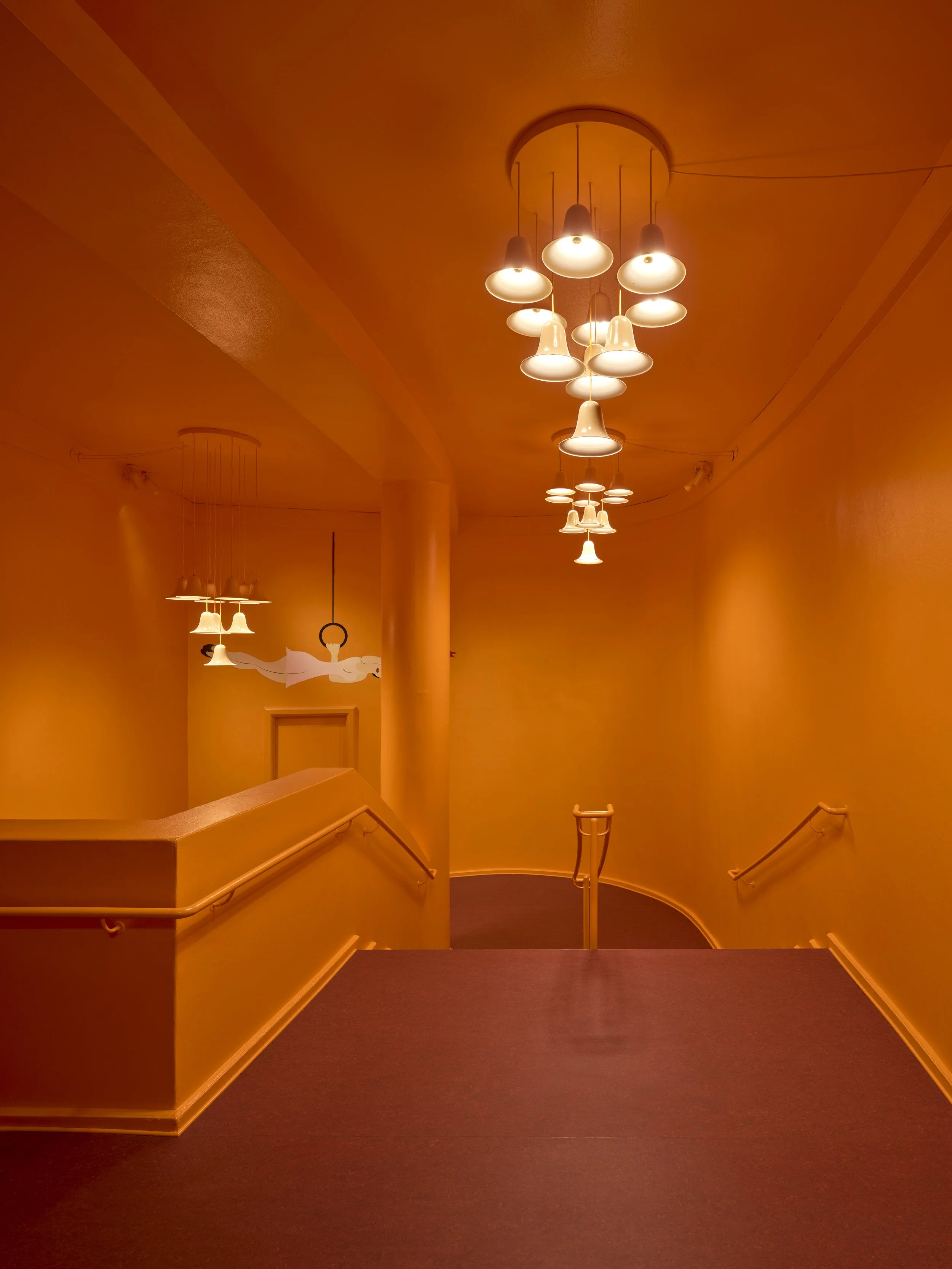
The restoration has extended right down to the individual light fittings. Several hundred pendant lights have been restored and polished one by one before being returned to their original lighting points. Some of the original fixtures, found in storage in the attic, have also been returned to their original positions. At the same time, modern LED technology and lighting control systems ensure that the lighting can meet the demands of a dynamic venue for performances and events.
Light sets the scene
The lighting works in several layers, from general and supplementary lighting to scenographic illumination. Each layer serves a different purpose, but together they create a unified experience of colour and space.
The lighting also follows guests as they move through the building. It is carefully tuned to different spaces and situations – from the moment of arrival, when anticipation begins to build, through the encounter with the stage show and on to the more relaxed atmosphere of the lounge areas.
In this way, light becomes part of the Circus Building’s dramaturgy. Panton’s colours effectively shut out the noise of the city, creating a different, more sensory reality inside.
At the Circus Building, in other words, light is not something added to the architecture. It is part of the architecture itself.
Hear more about the restoration of the Circus Building and Verner Panton’s work of light on 24 September at Architecture, Landscape & Light at Helligåndshuset, Valkendorfsgade 23, Copenhagen.